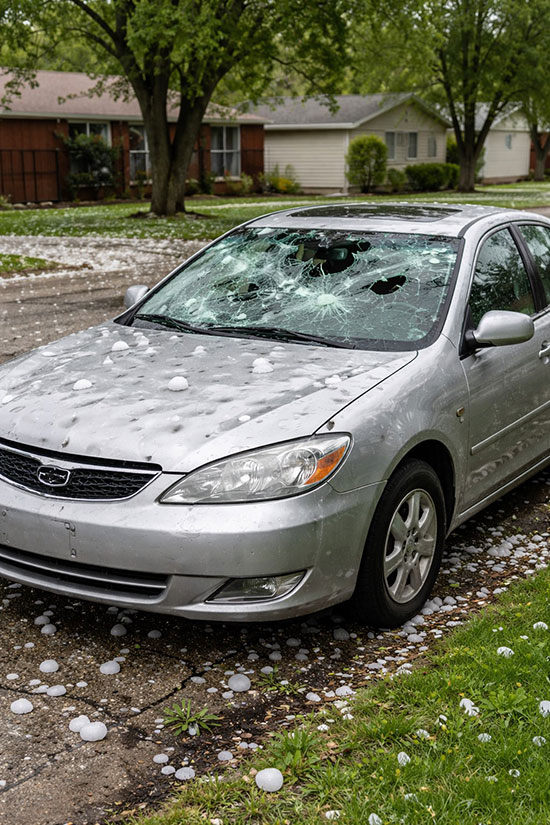
measuring between 3 to 6 inches in diameter, with some potentially setting a new Illinois state record.
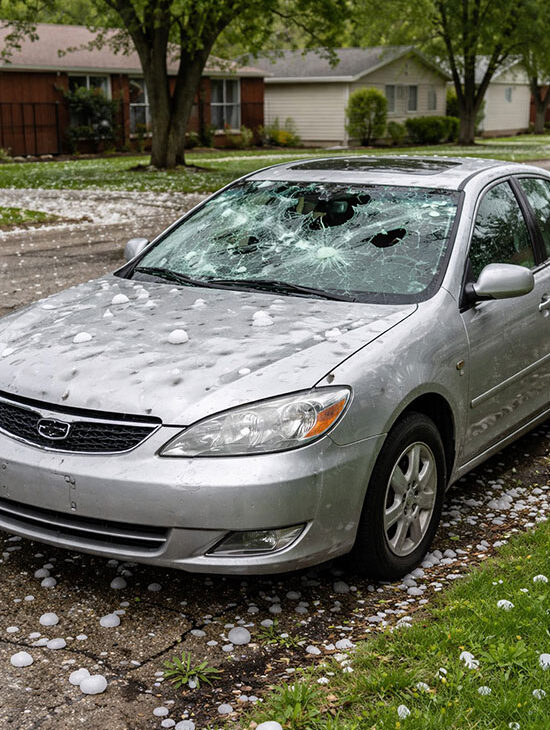
Residents reported shattered car windows, destroyed siding, and significant roof damage. In some cases, hailstones as large as grapefruits punched through structures and rendered vehicles unusable.
The intensity of the hailstorm turned ordinary streets into hazardous zones within minutes, leaving many families scrambling for safety.
The storms disrupted nearly every aspect of daily life in Kankakee County:
Power outages left thousands without electricity as downed lines and damaged infrastructure overwhelmed utility crews. Local businesses suffered heavy losses, including long-standing establishments that experienced structural damage just before peak seasons. Emergency services were stretched thin, responding to calls for rescues, debris removal, and medical assistance.
Tragically, the storm system also resulted in loss of life in the region, underscoring the severity of the event and its emotional toll on surrounding communities.
Beyond the physical damage, the storms left many families facing uncertainty. Displaced residents were forced to seek temporary shelter, while others began the long process of rebuilding homes and replacing essential belongings.
Insurance claims surged across the county, and many households found themselves navigating financial strain due to repair costs and lost property. Community members described the experience as sudden and overwhelming, with little time to prepare for the scale of destruction.
In the aftermath, local organizations, volunteers, and relief groups have stepped in to support affected families. Efforts have included distributing food, clothing, and essential supplies, as well as assisting with cleanup and recovery.
Despite the devastation, the response from the community has highlighted a strong sense of unity and resilience. Neighbors have come together to help one another rebuild, demonstrating that even in the face of disaster, hope and compassion remain strong.
Meteorologists warn that conditions remain favorable for additional severe weather across Illinois, including the potential for further hail and strong storms.
Residents are encouraged to stay alert, monitor weather updates, and have emergency plans in place as the region continues through an active storm season.